
Blog
Discover our latest articles and blogs

UK Climate Change Levy Rates 2026: Finance Teams Check April Bills
Check 2026 UK levy rates by fuel, agreement discounts, and bill checks for finance and facilities teams, including electrolysis and sodium bicarbonate...

UK Reporting Teams: Classify Leased Asset Emissions First
Classify leased asset emissions as Scope 1, 2, or 3, then match available data to GHG Protocol methods, UK conversion factors, and audit evidence.

EV Charging Load: Fuse Checks to Decisions Every 30 Minutes
Check EV charging load against your fuse rating, then use meter readings every 30 minutes to guide home or commercial controls and avoid costly upgrades.

Baseload vs Peak Load: Grid Metrics That Help Businesses Cut Bills
See how baseload and peak load shape grid demand, and how load factor, derated capacity, and LOLE help energy managers plan around peaks and control bills.

Battery Storage Dispatch: What GC0166 Means for Half Hourly Data
See how battery storage dispatch responds to GC0166 and market updates, while half hourly data and anomaly detection sharpen operating decisions.

Emissions Factor Selection: Worksheet Names Matter for 2026 UK Audits
Choose emission factors that match your boundary and reporting year. Record worksheet, unit, and vintage details to make 2026 UK reporting reproducible.

Scope 2 Emissions: Calculate Both Totals Without Mixing Methods
Calculate location based and market based Scope 2 emissions, follow GHG Protocol and ESRS E1 rules, and use energy data to report accurately.
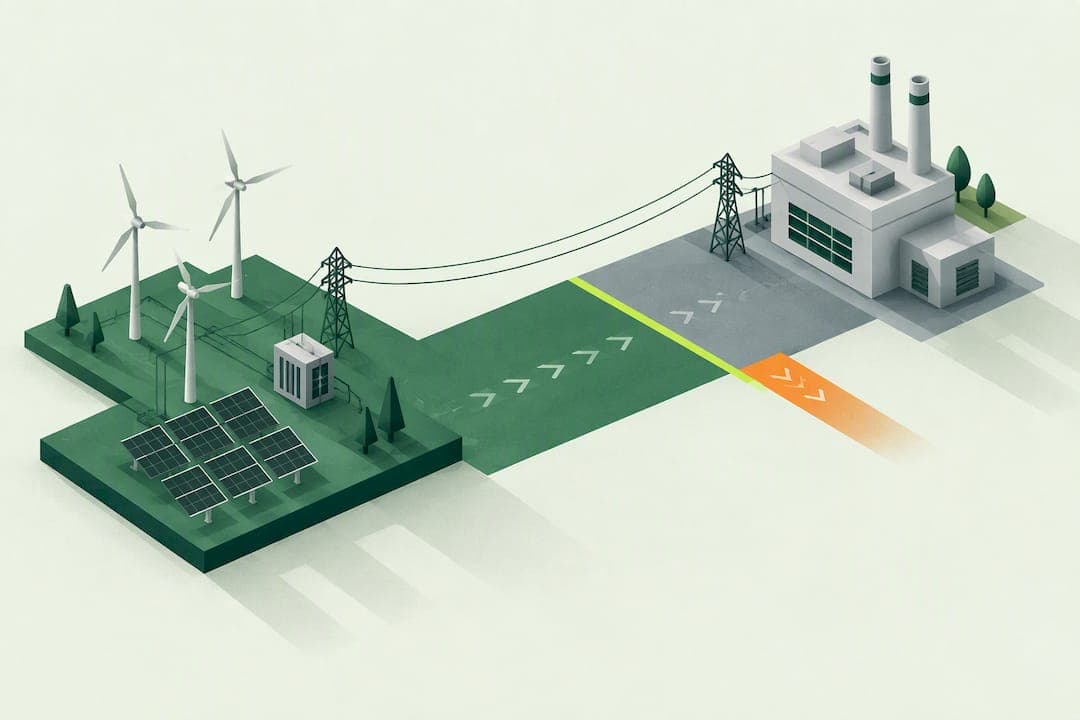
33% (0.95) Rule: Stop Power Factor Penalties for Energy Teams
For energy and facilities teams: see the 0.95 (33%) trigger, run a half hourly reactive and active check, and use EnerlyticsAI to fix penalties.
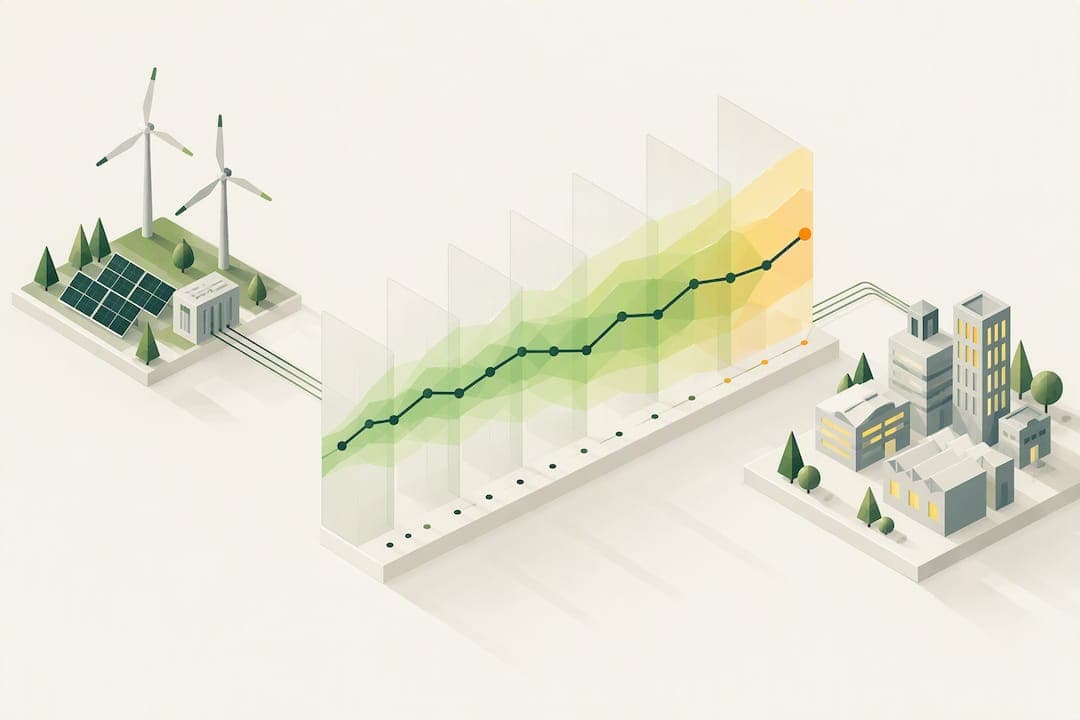
Stop Budget Surprises with Half Hourly Energy Cost Forecasts
Align procurement and budgets with half hourly, probabilistic energy forecasts. Use monthly rolling forecasts and quantile based contingency sizing.